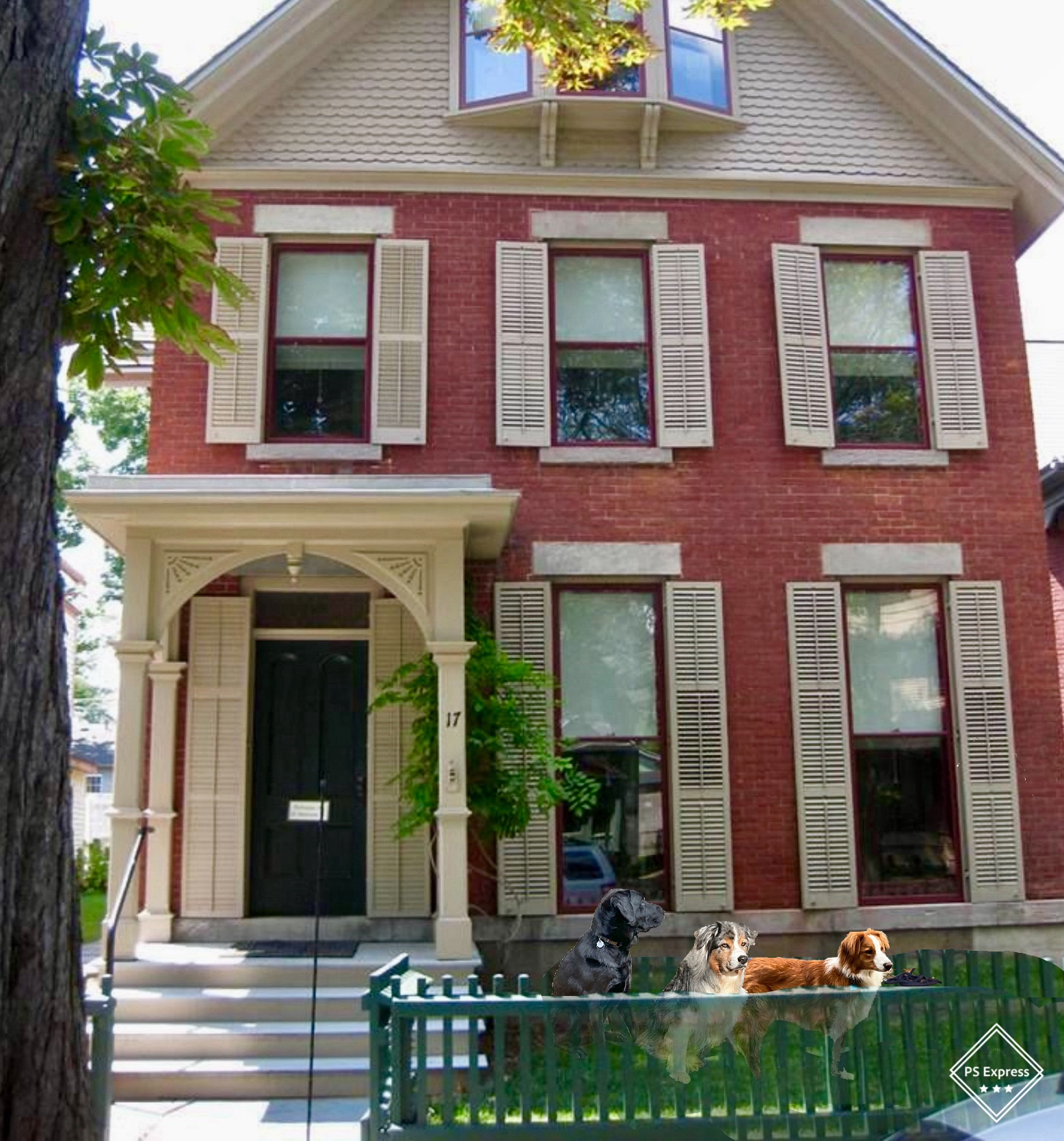
On June 17, 1873, Susan B. stood in a Canandaigua courthouse listening to her male lawyer plead to a male jury in front of a male judge about a woman’s right to vote. She had already caused several headaches for local officials this year, most notably, by voting in the most recent presidential election. Her vote, along with fourteen female neighbors who voted alongside her, caused a stir in Rochester which Susan B. used as a platform to spread her message. She traveled the county delivering a fiery speech, advocating for the right of all people to vote.
Radio Note: Our playlist of songs about empowerment applies equally to all people.
Associate justice of the Supreme Court Ward Hunt, who was known by some to oppose the cause of suffrage, arrived to preside over the case. The court did not meet in Rochester, but in the nearby town of Canandaigua, NY. There, Susan B. sat for two days as proceedings continued, certain that the jury could see the logic behind her daring act.
As the case drew to a close, the jurors who had heard Susan B.’s story were prepared to deliberate, but Judge Hunt stopped them. He had already made up his mind, and told them so. With one action, the Judge became infamous in law journals, nationwide newspapers, and public opinion for denying Susan B. Anthony a trial by jury. He delivered her guilty verdict, along with a fine of $100, which she refused to pay. Then, he gave her the opportunity to address the court in what he no doubt assumed would be a short, defeated statement……Susan B. stood…..
“Yes, your honor, I have many things to say; for in your ordered verdict of guilty you have trampled under foot every vital principle of our government. My natural rights, my civil rights, my political rights, my judicial rights, are all alike ignored“
Her trial in 1873 became a hallmark of the suffrage movement, and her call for the right of all people to vote rings in our ears 150 years later. In the face of a broken system, Susan B. Anthony took action to achieve justice, building a network of support that lived beyond her. The work continued in the women who wrote the 19th Amendment, the women who fought for the vote of minority communities, and the women who work to ensure a safe and educated vote for all people today. Remember: we walk in the footsteps of women who kicked open doors that were closed to them.
SOURCE: Susan B. Anthony Museum
 Doggedly Yours
You’re very welcome. 🌻
LikeLiked by 1 person
Thanks for your support.
LikeLiked by 1 person
Truly. Thanks for your comment and taking the time to read.
LikeLiked by 1 person
A timely and important message. I’ve always heard her name, but knew nothing of what she went through.
LikeLiked by 1 person
Inspiring and courageous woman!
LikeLiked by 1 person
Absolutely. Appreciate your comment.
LikeLiked by 1 person
Thank goodness for the Susan B. Anthony’s of the world.
LikeLiked by 1 person