International Talk Like a Pirate Day. September 19th —gives wannabe seadogs across the world encouragement to speak like the buccaneers that have brought terror to sea trade routes throughout human history.
Silly? – Yes. Goofy? – Surely. Pointless? – No. Useless? – No. That is because the “point” and “use” of Tslk Like A Pirate Dy is, in fact, to be “siily” and “goofy.”
&& Radio Show &&
On Thursday, September 19, 2024 (Special Day), at 8:00 AM ( Alaska Time), on our local public radio show celebrates TALK LIKE A PIRATE DAY with the tunes from THE GOLDEN AGE OF BRITISH 1967 PIRATE RADIO. Listen live on102.7fm, or 103.1fm. or https://www.ktoo.org/listen/krnn/
++&& ## && ++
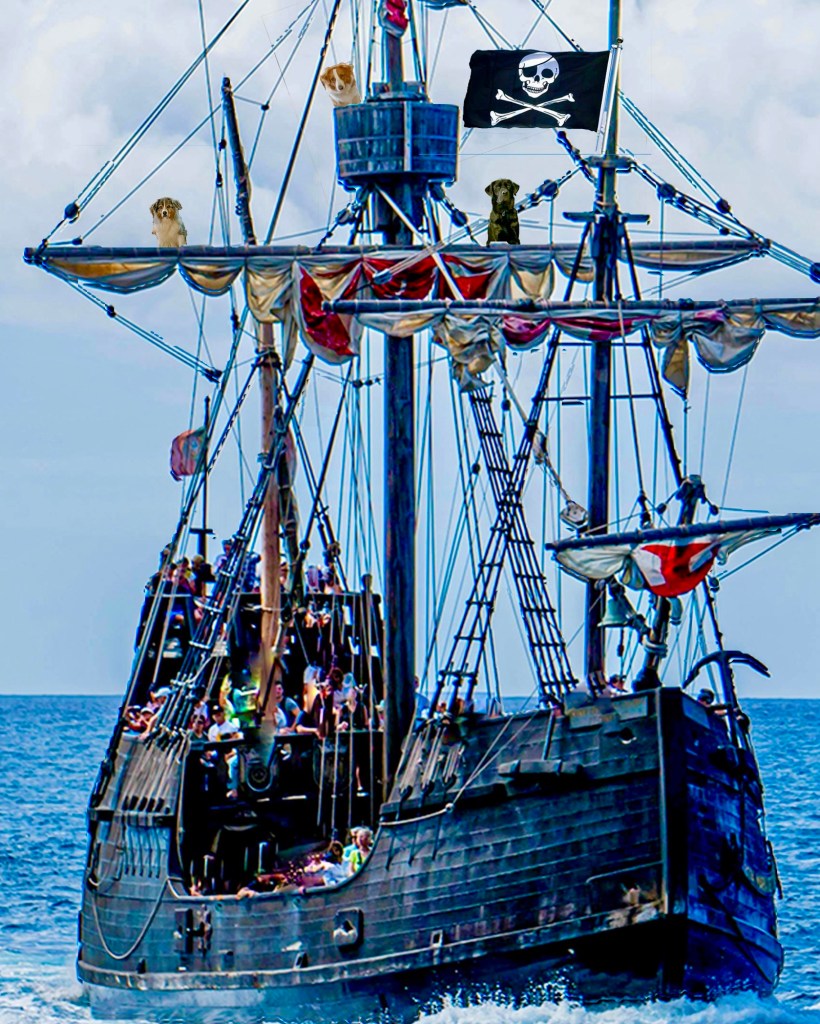
The idea for the day actually originated on June 5, 1995, during a game of racquetball, when one of the men was injured and yelled “Aaarrr.” However, out of respect to the anniversary of the World War Two Normandy landings, the men postponed their celebration. They later chose September 19 because it was Summers’s ex-wife’s birthday and therefore would be easy to remember.
Talk Like a Pirate Day was born when the two friends, John Baur (Ol’ Chumbucket) and Mark Summers (Cap’n Slappy) of Albany, Oregon, in 1995, were playing racquetball when one of them went down and shouted, “Arrr!” and the holiday idea sprang into their minds. The day became famous when the two men contacted humor columnist Dave Barry in 2002 to tell him about their creation. Barry publicized the event which went global.
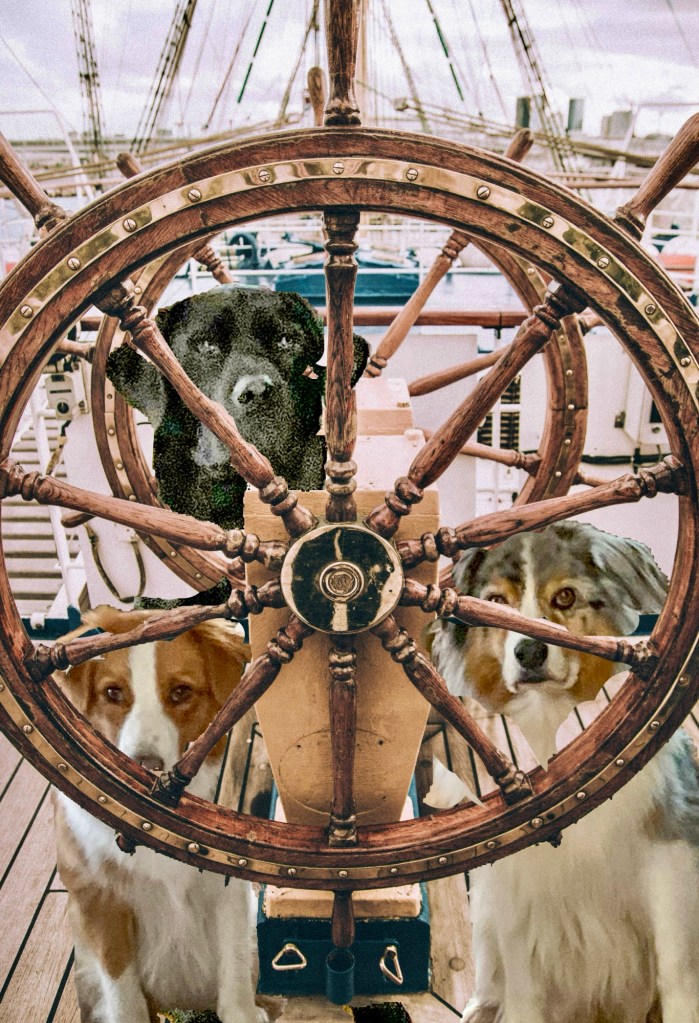
Some scurvy dogs and bilge-suckers have wondered in recent years: how authentic is this picturesque rendition of pirate speech? “It’s far from authentic,” Molly Babel, Associate Professor of Arts and Linguistics at the University of British Columbia told us. “But there are some linguistic points that carry through.”
Professor Babel told us many original pirates were recruited from southwest England, where “arrr!” was a kind of expression like the “eh?” of Canadians. As pirates joined from all over the sea-faring world, Maritime Pidgin English, derived from the West Country, became a kind of common language for what she calls, “cross-language pirate contact.”

Professor Babel says much of our idea of how pirates spoke traces back to the 1950 RKO-British Disney film of Treasure Island. Robert Newton, a British actor from the West Country, played Long John Silver, with his finest theatrical West Country accent. Other on-set pirates, many also from southwest England, joined in. Robert Newton would go on to play Long John Silver in other films, as well as Bluebeard and other pirates. He often sported a rummy-twinkle in his eye, and parrot on his shoulder.
Professor Babel (an irresistible name for a linguisticsprofessor, by the way) believes that pirate talk—or Maritime Pidgin English, if you prefer—is still imitated and celebrated by landlubbers like me, “because it’s expressive, engaging, and colorful.” These are vital signs of language that can communicate, not just regurgitate.
Avast – put your ears around some of the corporate and techno-phrases we so often hear today. What’s a more striking turn of phrase? Limited bandwidth–or Yo ho ho, me hearties? Inflection point—or What hornswaggle!? Would you rather bend an elbow with someone who says paradigm shift—or Shiver Me Timbers
SOURCE: Newsweek; N.P.R.
 Doggedly Yours