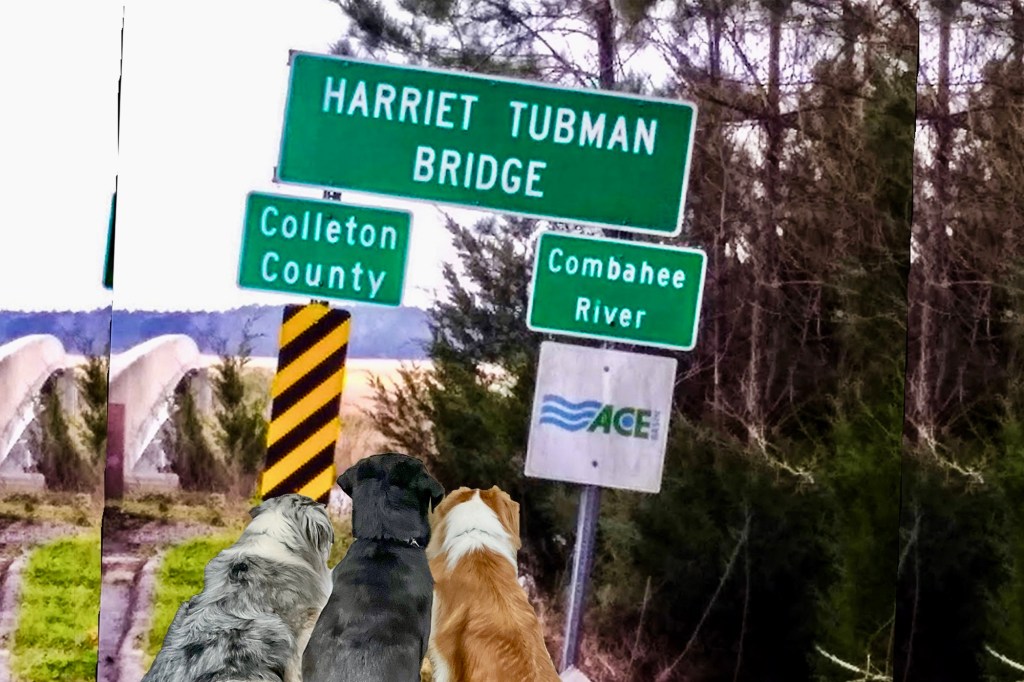
The Harriet Tubman Memorial Bridge spans the Combahee River between Beaufort and Colleton Counties in South Carolina. It is the site of a raid conducted by Harriet Tubman and African American soldiers of the 2nd South Carolina Infantry in June 1-2, 1863, marking the bravery, community, and resistance shown by Harriet Tubman and the freedom seekers on the Combahee Raid.
Harriet Tubman, whose reputation as the “Moses of Her People” followed her to the US Army’s Department of the South. Tubman’s role as a conductor on the Underground Railroad in the pre-war period, which included the liberation of approximately 70 people, was one of the many hats she wore upon her arrival in South Carolina in the Spring of 1862. With ongoing military operations in the region, Tubman continued her work through a network of spies, and soldiers to secure the freedom of enslaved people and to assist with gathering military intelligence.
One of Tubman’s recruits was William Plowden, an African American man from Pennsylvania who enlisted in the USCT and was a scout, spy, and pilot. One night, Plowden and eight men sailed up the Combahee and returned to U.S. Army lines. They “reported on the bridges-trestle work, and the strength of the military guard of the enemy crossing.” With intelligence gathered from Tubman, the U.S. military created a plan to raid the plantations along the Combahee River.
Perhaps Tubman’s most noted role in local operations was the Combahee River Raid of June 1863. During the weeks and months prior, her network of spies and boat pilots collected valuable information from plantations along the Combahee River – information which helped Tubman and US Army officials in the planning of a joint operation to liberate those enslaved along the river and to disrupt enemy activity in the area. In the rice fields between Beaufort and Colleton Counties, along the Combahee River, hundreds of African Americans continued to toil under the watch of their enslavers.
Tubman’s plan to free those enslaved people in the Combahee River rice fields involved the participation of elements of the 3rd Rhode Island Heavy Artillery and approximately 300 Black soldiers of the 2nd South Carolina Volunteer Infantry – a regiment comprised mostly of freed men from the Sea Islands along the South Carolina, Georgia, and Florida coasts. The 2nd South Carolina’s commander, Colonel James Montgomery, worked with Tubman to execute her plan, which was set to be carried out in secrecy.

On the evening of Monday June 1, Tubman directed three steamships from Saint Helena Sound up the Combahee River and reached their destination in the early morning hours of June 2. Under the protection of the 2nd South Carolina, and with Confederate troops retreating from the area, enslaved people ran from the surrounding plantations toward the US ships as they sounded their steam whistles – notes which personified the sound of freedom. Thanks to the intelligence collected by Tubman, more than 750 men, women, and children were liberated, and US troops destroyed several million dollars-worth of plantations, warehouses, and rice fields along the river, including the vicinity of Combahee Ferry. As one journalist later noted, Tubman, along with the Black soldiers of the 2nd South Carolina, “struck terror to the heart of rebeldom.”
Those who sought freedom along the Combahee River joined Tubman on the return to US lines in Beaufort County on June 3. Here, the work of Tubman continued as she recruited additional troops from the population of freed men – many of whom joined the ranks of the 2nd South Carolina Volunteer Infantry. This single action on the Combahee River Raid not only added to Harriet Tubman’s reputation as a freedom fighter, but also solidified her status as the only African American woman to lead troops in a military operation during the Civil War.
SOURCE National Park Service
 Doggedly Yours