July 8 marks the anniversary of the first public reading of the Declaration of Independence. At noon, the bell (later renamed the Liberty Bell) rang, summoning the public to Pennsylvania Square (later renamed Liberty Square) in Philadelphia, where Colonel John Nixon read the proclamation. Colonel Nixon was active in politics and the militia, fighting alongside General Washington in the newly established state of New Jersey.
&& Radio Show &&
On Monday July 8,2024, at 8:00 AM ( Alaska Time), our public radio show will celebration the Declaration Public Reading with a Indie Outlaw Country tunes. Listen live on102.7fm, or 103.1fm. or https://www.ktoo.org/listen/krnn/
++&& ## && ++
— On July 8th, 1776, the public in Philadelphia heard the sounds of Breaking News (bells tolling) and gathered outside The Pennsylvania State House (now better known as Independence Hall). What they saw and heard was Colonel John Nixon reading the document that had been signed inside just a few days earlier: The Declaration of Independence. It was shocking news, and the people on hand were the first in the colonies to hear it.
+++ Here is a special produpuctiin from our friends at Near Shore Radio +++
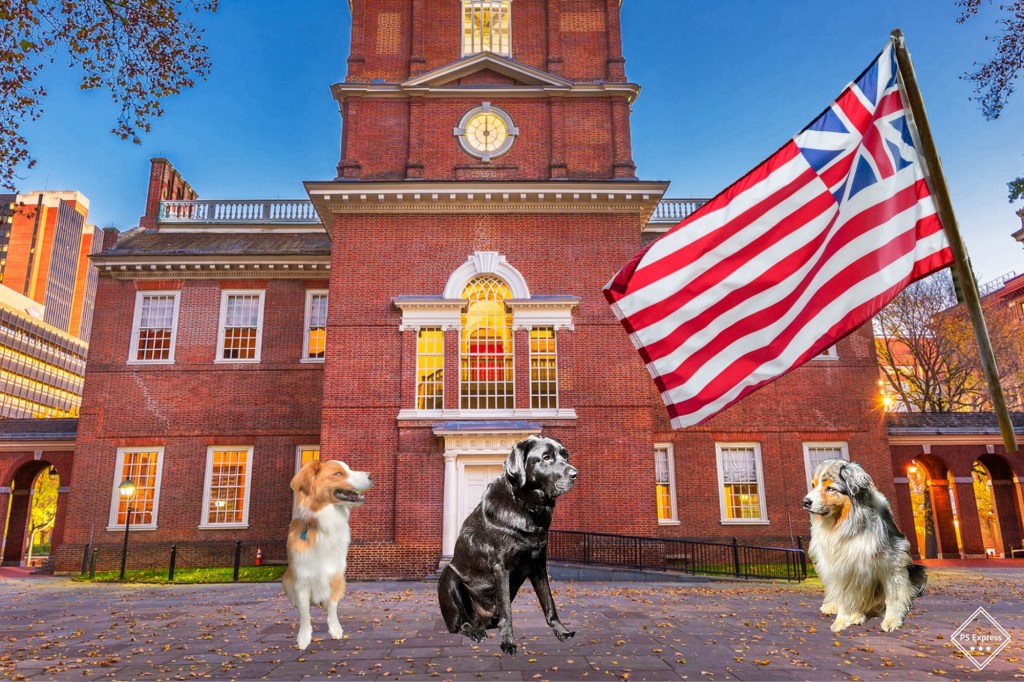
Many in the crowd were thrilled, but there were other who not at all happy to hear it, yelling “Treason!” and “Long live the King!” There were plenty more who just did not know what to think. But as word made its way through the city, celebrations could be heard and bells continued to ring well into the night.
The steeple was in poor shape at the time. Many historians doubt that the bell rang in that setting. Nevertheless, within a few decades, its association with the Declaration of Independence became fixed in the nation’s folklore. It remains so today.
Why is this public reading important? Because the people who gathered outside Independence Hall that day were the ones who drove the revolution in Pennsylvania. Led by radicals including Timothy Matlack, the “lower sort” forced Pennsylvania’s elite to accept independence. Thanks to the pressure they applied in their colony, Congress was able to adopt the Declaration of Independence unanimously. Nothing symbolizes this effort better than the public readingfrom the stairs of Independence Hall on July 4, 1776. The radicals went on to write an ultra-democratic constitution for Pennsylvania which was the beginning of the fight for equality in America.
SOURCE: ABC TV News Phili, Natl Archives
 Doggedly Yours