
The right of citizens of the United States to vote shall not be denied or abridged by the United States or by any State on account of sex. Congress shall have power to enforce this article by appropriate legislation.
Passed by Congress June 4, 1919, and ratified on August 18, 1920, the 19th amendment granted women the right to vote.
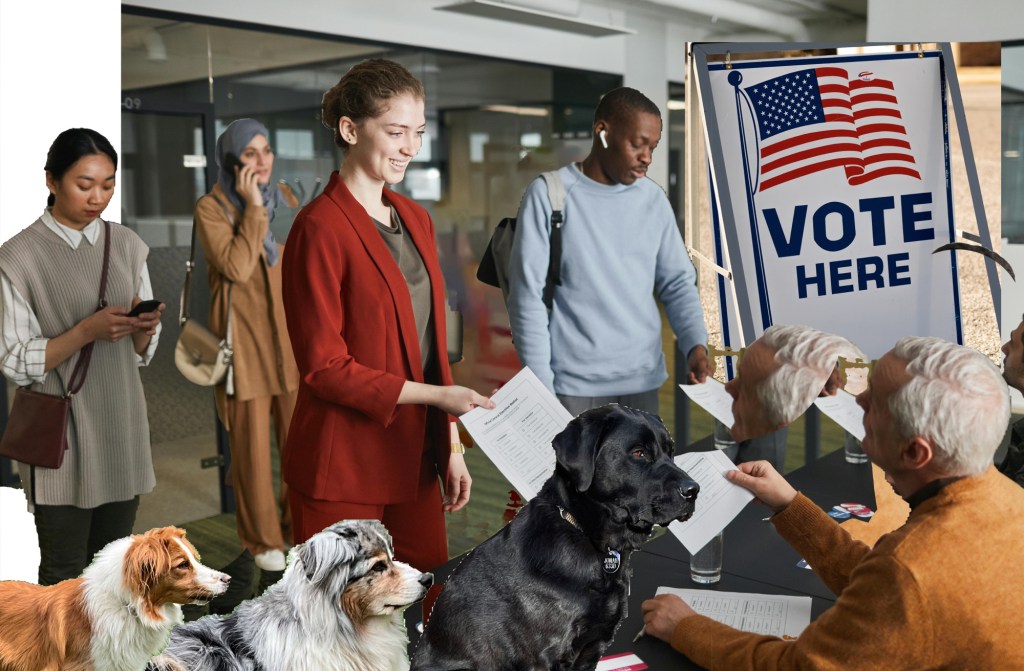
The 19th amendment legally guarantees American women the right to vote. Achieving this milestone required a lengthy and difficult struggle—victory took decades of agitation and protest. Beginning in the mid-19th century, several generations of woman suffrage supporters lectured, wrote, marched, lobbied, and practiced civil disobedience to achieve what many Americans considered a radical change of the Constitution. Few early supporters lived to see final victory in 1920.
Beginning in the 1800s, women organized, petitioned, and picketed to win the right to vote, but it took them decades to accomplish their purpose. Between 1878, when the amendment was first introduced in Congress, and August 18, 1920, when it was ratified, champions of voting rights for women worked tirelessly, but strategies for achieving their goal varied. Some pursued a strategy of passing suffrage acts in each state—nine western states adopted woman suffrage legislation by 1912. Others challenged male-only voting laws in the courts. Some suffragists used more confrontational tactics such as picketing, silent vigils, and hunger strikes. Often supporters met fierce resistance. Opponents heckled, jailed, and sometimes physically abused them.
By 1916, almost all of the major suffrage organizations were united behind the goal of a constitutional amendment. When New York adopted woman suffrage in 1917 and President Wilson changed his position to support an amendment in 1918, the balance began to shift.
On May 21, 1919, the House of Representatives passed the amendment, and 2 weeks later, the Senate followed. When Tennessee became the 36th state to ratify the amendment on August 18, 1920, the amendment passed its final hurdle of obtaining the agreement of three-fourths of the states. Secretary of State Bainbridge Colby certified the ratification on August 26, 1920, changing the face of the American electorate forever.
The campaign for woman suffrage was long, difficult, and sometimes dramatic; yet ratification did not ensure full enfranchisement. Decades of struggle to include African Americans and other minority women in the promise of voting rights remained. Many women remained unable to vote long into the 20th century due to discriminatory state voting laws.
When the 19th Amendment became the law of the land after hard-fought campaigning, white women immediately benefited from its ratification. But for millions of women of color across a significant part of the country, gaining the right to vote would take several more decades.
The 19th Amendment did not eradicate the systemic racism that pervaded the South, where most Black women lived, and other regions. Fifty years earlier, the 15th Amendment, which barred states from denying the right to vote “on account of race, color, or previous condition of servitude,” was ratified. Despite this guarantee, with the blessing of the courts, states across the South enacted racially discriminatory policies— such as poll taxes, literacy tests, grandfather clauses, and felony disenfranchisement laws. In many parts of the country, Native American, Asian American, and Latina women were also largely excluded from the ballot box at the time the 19th Amendment was passed until each group gained access to voting in the succeeding decades.
SOURCE: Natl Archives, Brennan Center Justice
 Doggedly Yours
You are kind. Thank you.
LikeLiked by 1 person
We continue to pray the Constitution will be adhered to…some days I wonder as Congress has completely abandoned their responsibilities it would seem. Thanks as always for providing us with “the rest of the story.”
LikeLiked by 1 person
No problem. My typos are numerous. Thanks for commenting.
LikeLiked by 1 person
Sorry, I meant ‘astonishing’ :-)
LikeLiked by 1 person
Astonihing. I thought it was bad enough over here!
LikeLike