Preface: We could not decide whose birthday to celebrate. Both of these women are inspirational. The dogs encouraged me to profile both individuals… to which I readily agreed.
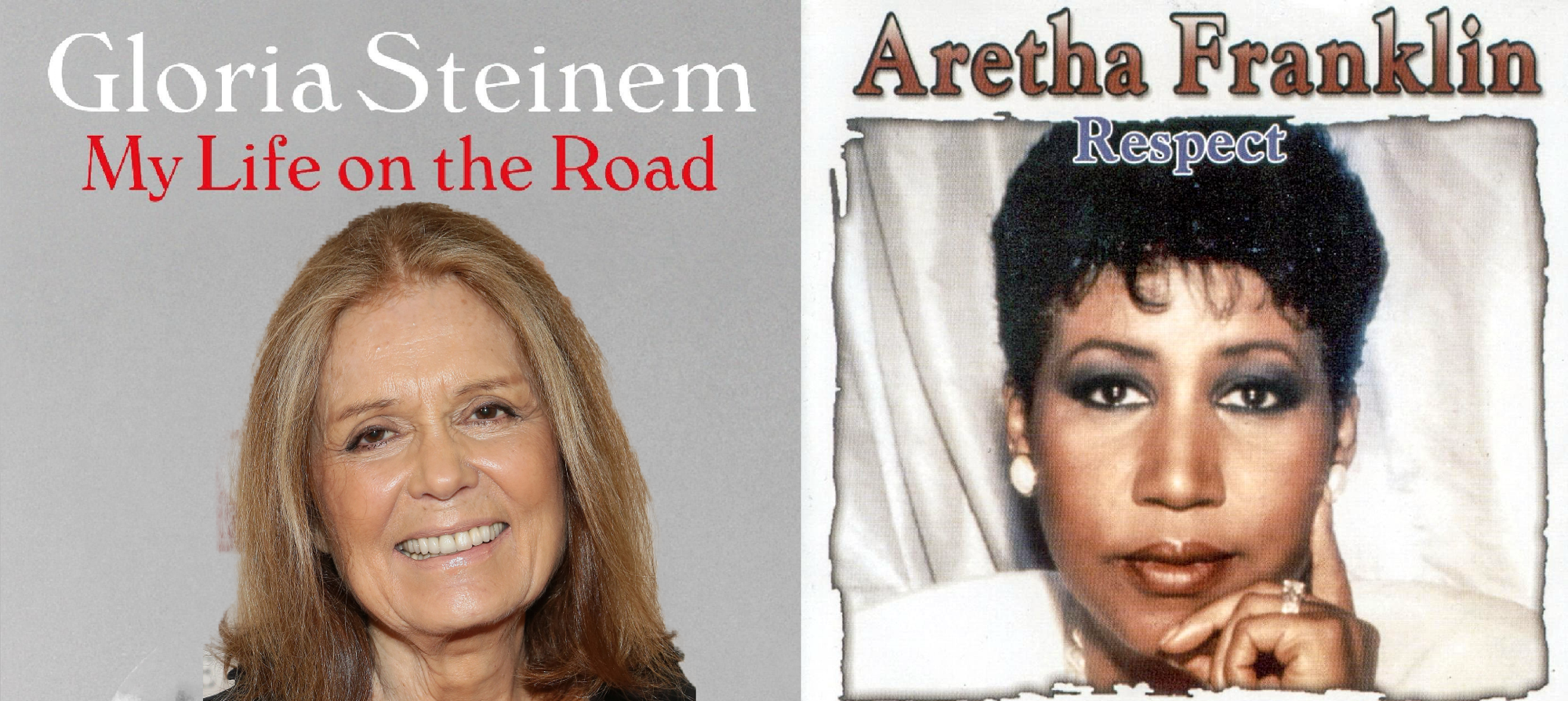
Gloria Steinem (born March 25, 1934, Toledo, Ohio — From her humble Ohio childhood, she grew up to become an acclaimed journalist, trailblazing feminist, and one of the most visible, passionate leaders and spokeswomen of the women’s rights movement in the late 20th and early 21st centuries.
After graduating high school, her sister came to care for their mother, and Steinem attended Smith College in Massachusetts where she studied government. She graduated magna cum laude in 1956.
She gained national attention in 1963 when Show magazine hired her to go undercover to report on the working conditions at Hugh Hefner’s Playboy Club. While Steinem’s expose—“I Was a Playboy Bunny”—revealed the not-so-glamorous, sexist, and underpaid life of the bunny/waitresses, Steinem struggled to be taken seriously as a journalist after this assignment. She worked hard to make a name for herself, and in 1968, she helped found New York magazine, where she became an editor and political writer.
At New York magazine, Steinem reported on political campaigns and progressive social issues, including the women’s liberation movement. In fact, Steinem first spoke publicly in 1969 at a speak-out event to legalize abortion in New York State, where she shared the story of the abortion she had overseas when she was 22 years old. The event proved life-changing, sparking Steinem’s feminism and engagement with the women’s movement. She attended and spoke at numerous protests and demonstrations, and her strong intellect looks made her an in-demand media guest and movement spokesperson.
In 1970, feminist activists staged a take-over of Ladies Home Journal, arguing that the magazine only offered articles on housekeeping but failed to cover women’s rights and the women’s movement. Steinem soon realized the value of a women’s movement magazine, and joined forces with journalists Patricia Carbine and Letty Cottin Pogrebin to found Ms. Magazine. It debuted in 1971 as an insert in New York magazine.
Steinem’s life has been dedicated to the cause of women’s rights, as she led marches and toured the country as an in-demand speaker. In 1972, Steinem and feminists such as Congresswoman Bella Abzug, Congresswoman Shirley Chisholm, and feminist Betty Friedan formed the National Women’s Political Caucus.

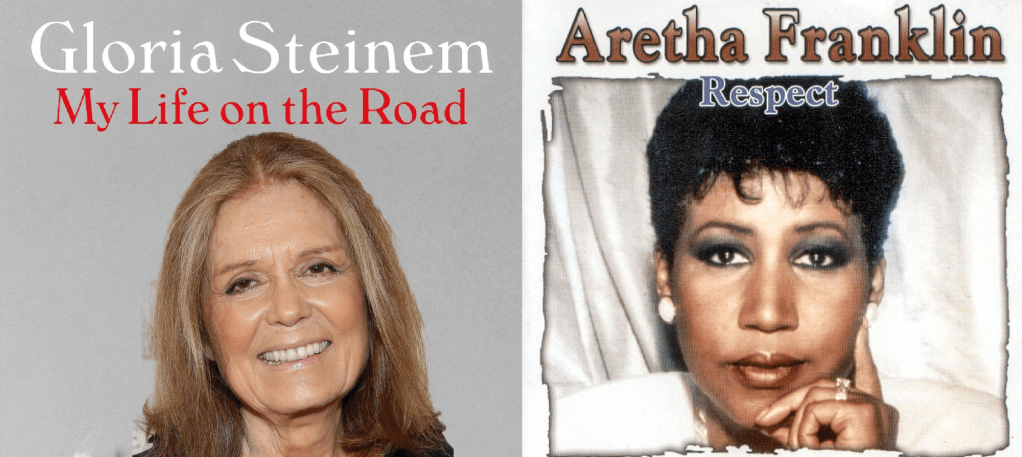
Aretha Franklin (born March 25, 1942, Memphis, Tennessee, —- Her talent and omnipresence earned her the title “The Queen of Soul,” Franklin was far more than a singer. Or rather, she used song, and the platform it provided her, as a way of advancing feminism and social activism in powerful and often overlooked ways.
While rarely overtly political, Franklin understood the power of her platform and used her voice for more than just belting out songs and entertaining audiences. She was a strong advocate for the black community, black women in particular. She employed her feminist sensibilities in a manner that produced real, concrete results. Unlike some artists of color who try to walk a middle line in an effort to not offend white sensibilities, she comfortably luxuriated in her authentic blackness in both her music and activism.
Even her song choices reflected this sensibility. When Franklin belted “R-E-S-P-E-C-T” in 1967, “Respect” became an instant classic. By recording the song as a woman, without changing the perspective, Franklin produced a version that became both a feminist and civil rights anthem, placing the spotlight not only on a woman demanding respect, but a woman as the primary provider.
Franklin’s worldview was rooted, at least in part, in the activist gospel traditions. She grew up in Detroit’s New Bethel Baptist Church, where her father, the legendary C.L. Franklin, delivered powerful sermons from the pulpit. . Nor was her father the only influence in her home: Powerful black women frequently visited the Franklin home and church, including singers Dinah Washington and Mahalia Jackson. Such surroundings help explain her unapologetic and fierce commitment to the cause of social justice in all its forms.
Franklin’s songs were a testament to the struggles of black women and, as such, deeply political. She combined feminism with black pride, and still made a place for herself in an American cultural landscape that has never been entirely comfortable with her either. That is a testament not just to the power of her music, but to the savvy and strength of her politics — a legacy that should be remembered as a central component of her musical career.
Franklin wrote the soundtrack for an era. She was a voice for black women fighting for equality and liberation. After hear death, civil rights hero and Georgia congressman John Lewis released a statement describing how he and his friends would listen to Franklin after they were released from jail following a non-violent protest. “She had a lifelong, unwavering commitment to civil rights and was one of the strongest supporters of the movement. She was our sister and our friend,” Lewis wrote. “Her music gave us a greater sense of determination to never give up or give in, and to keep the faith.”
SOURCE: Women’s History Museum, Wash Post


My pleasure. Thanks for reading.
LikeLiked by 1 person
Thank you for the inspiring stories of two amazing women who made a huge difference in the world.
LikeLiked by 1 person
An excellent choice! Smart dogs! Thank you for highlighting these two incredible women. 🙏🏻
LikeLiked by 1 person
Will do as they enjoy a good ear rub. But then, who doesn’t. :-) Thank you.
LikeLiked by 1 person
What amazing and truly inspirational women. Give the dogs an extra ear rub for encouraging you to showcase them both. Well done.
LikeLiked by 1 person