On the winter night of Thursday, December 16, 1773 the “tea crisis” in Boston came to a head. Members of the Sons of Liberty disguised as Mohawk Indians were armed with an assortment of axes. They quietly boarded three ships carrying cargoes of British East India Company tea moored at Griffin’s Wharf. In a span of three hours, 340 chests of British East India Company Tea were smashed and dumped into Boston Harbor. Over 92,000 pounds of tea were destroyed and thrown into the harbor. The implication and impact of the Boston Tea Party were enormous; the event directly led to the sparking of the American Revolution on April 19, 1775.
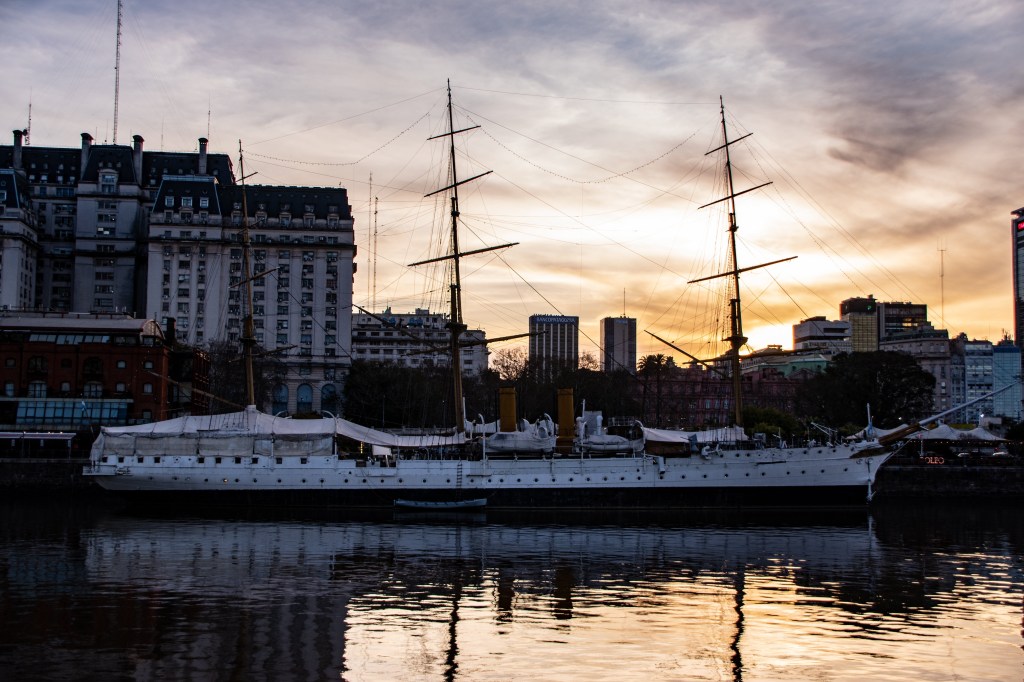
On December 15, 1773, the Beaver, the last of the three ships sailing from London, England arrived at Griffin’s Wharf in Boston. The Beaver was delayed due to a case of smallpox which broke out onboard, and she was held in quarantine for two weeks in Boston’s outer harbor. Previously, the Dartmouth had arrived at Griffin’s Wharf on November 28 and the Eleanor on December 2. The Beaver was commanded by Captain Coffin, the Dartmouth by Captain Hall, and the Eleanor by Captain Bruce. There were to be four ships, but the William ran aground off Cape Cod on December 10, 1773, in a violent storm. The Beaver, Dartmouth, and Eleanor each carried more than one hundred chests of British East India Company Tea. The tea came from China and was described as the “Bohea” type. In the 18th century tea trade, black tea was referred to as “Bohea” which traditionally came from the Wuyi Mountain region of China, but the term “Bohea” was hijacked by the tea trade to refer to all black tea varieties. Additionally, the shipment of British East India Company tea also contained green tea from the Chinese province of Anhui..
The acts marked “the breaking point in the relationship between Britain and the North American colonies,” says Sheidley. But the event that precipitated their passage—the Tea Party—was largely overlooked until the 1830s, when two books on the protest were published and surviving participants started sharing their memories of it.
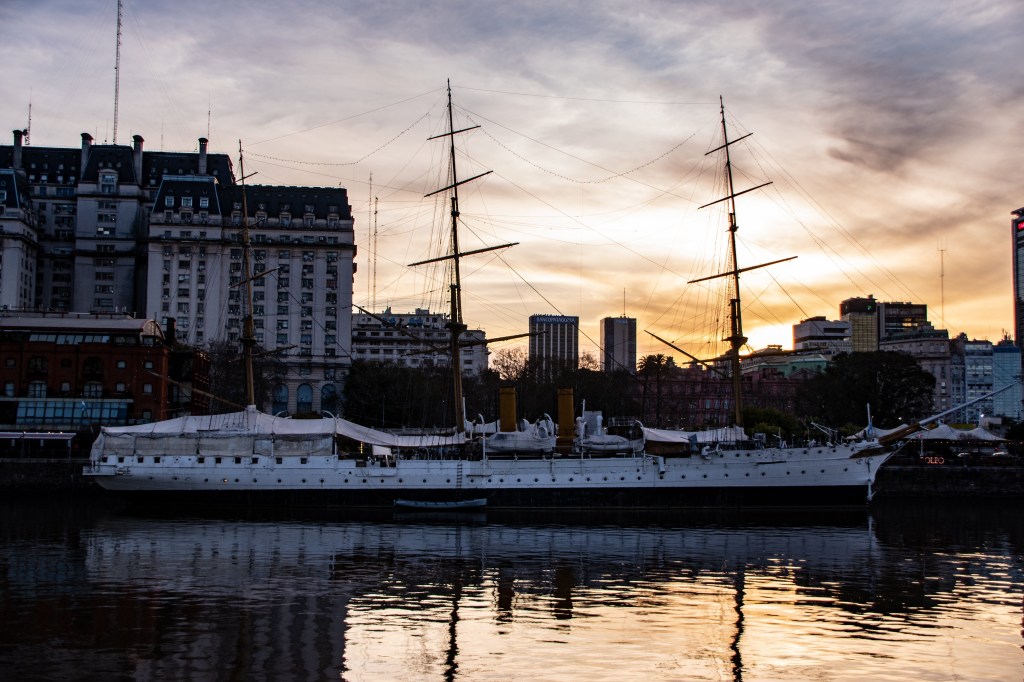
Looking back on the Tea Party 250 years later, Sheidley says, “The piece of the story that we need to pay more attention to is less the act of destruction … and more the long arc of conversation and deliberation that preceded it, with thousands of people gathering to consider the challenge and debate how best to proceed.” At the same time, he emphasizes that these public meetings failed to include the voices of two key groups in colonial Boston: women and Black Americans. For example, the poet Phillis Wheatley, who had recently been emancipated from slavery, fervently wanted the Dartmouth’s cargo to be unloaded, as the ship held not only chests of tea but also copies of her first book, Poems on Various Subjects, Religious and Moral.

“Her liberty depended upon being able to collect the proceeds of the sale of those books,” Sheidley explains. “It’s an important point because it forces us to grapple with the fact that the revolution was not one struggle for liberty, but many. And they somewhat collide in this moment, with the tea and the poems being on the same ship reminding us that those struggles weren’t always neatly aligned.”
SOURCE: Boston Tea Party Ship and Museum; and Smithsonian Mag.
 Doggedly Yours
Didn’t know about the books. And I’ve wondered if all the tea affected the water it was dumped in…
LikeLiked by 1 person
Probably was a really cold Boston Tea Party. I didn’t realize it was in December.
LikeLike
Partying, property damage and tax avoidance…the 3 things we’re well known for and a part of the country’s legacy most frequently forgotten. Sigh.
LikeLiked by 1 person
And… property damage too!
LikeLiked by 1 person
Seems like this country has had a long history in partying. ;)
LikeLiked by 1 person